
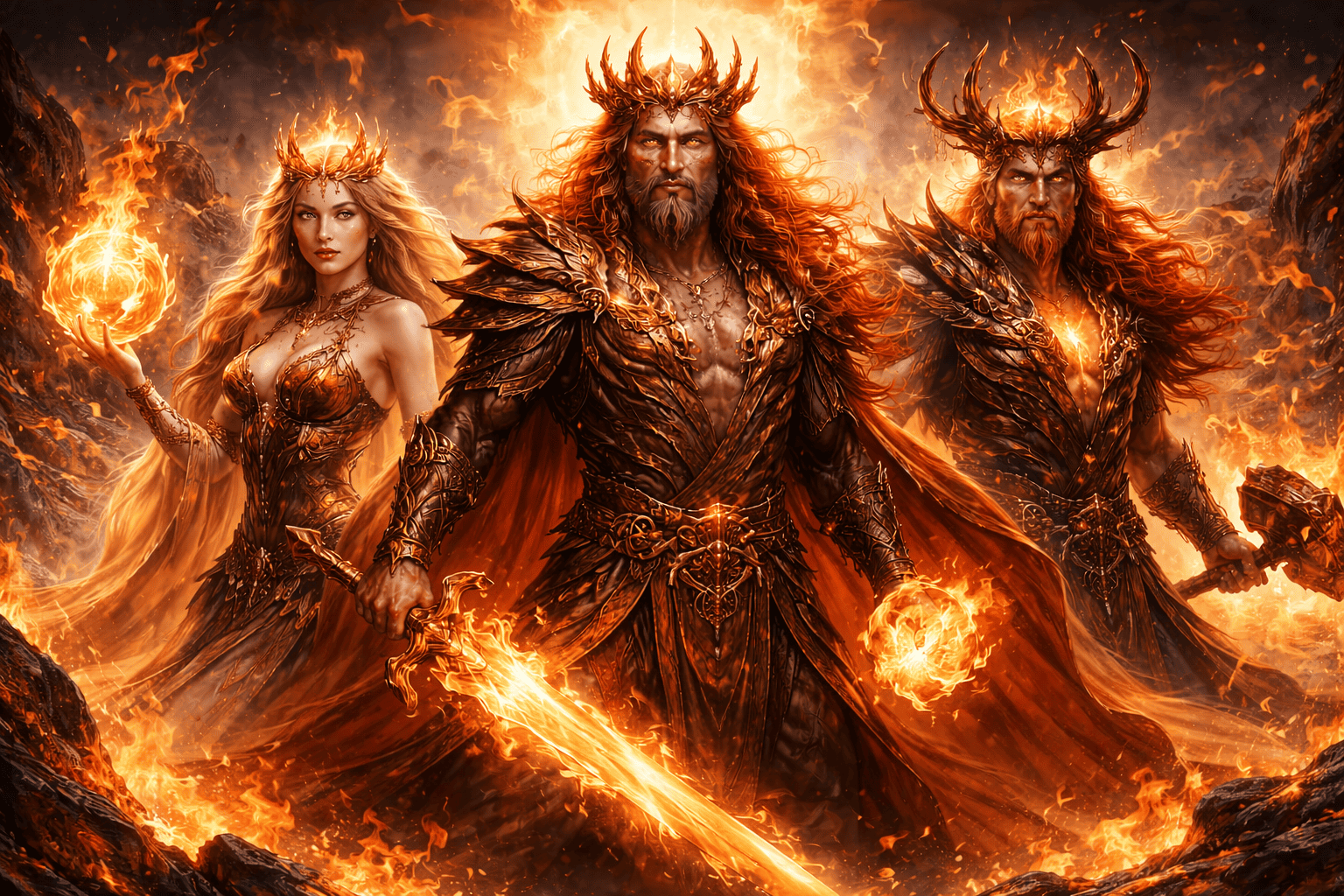
Fire is one of the oldest mysteries humanity has ever held in trembling hands. Across cultures, it is comfort and catastrophe, a hearth-light for families and a roaring force that can erase kingdoms. That double nature is exactly why so many stories imagine a divine figure standing between humanity and the blaze—guarding it, gifting it, or punishing those who misuse it. In myths, fire is rarely just chemistry. It’s knowledge, courage, rebellion, and sometimes the price of becoming fully human. When you explore fire gods, you’re really exploring how people have explained progress, danger, and the spark of inspiration that turns survival into civilization.
Fire as a Divine Gift and a Dangerous Bargain
In many myth traditions, fire is treated as a sacred technology: something that changes everything once it reaches human hands. The best-known Greek example is Prometheus god of foresight, often described as the daring boundary-crosser who brought flame to mortals. As the prometheus greek god appears in classic storytelling, he doesn’t merely hand over a torch—he alters the balance of power. With flame comes cooked food, forged tools, and the ability to push back against night itself. That’s why the tale feels like more than a clever heist; it’s an origin story for human possibility.
But the gift has consequences, and myth loves consequences. In prometheus greek mythology, the theft of fire becomes a moral argument: is it heroic to empower the powerless, or reckless to violate cosmic rules? The answer depends on the storyteller, which is precisely why the myth endures. Fire is presented as a force that demands responsibility, because it can raise a city or reduce it to ash. It also introduces a relationship between fire and god that is intimate and tense—divinity isn’t distant when it’s inside the coals of your cooking pot.
Prometheus, Punishment, and the Price of Progress
The Prometheus tradition emphasizes that knowledge can be costly. Fire becomes a metaphor for every leap forward that frightens the established order. The suffering that follows is not only a warning; it’s a dramatic way of highlighting the value of what was gained. In this framing, fire from god is not a free prize. It is a turning point, and turning points in myth are rarely gentle.
This theme—progress delivered through risk—shows up in other figures connected to flame and heat. Some stories focus on the craft of fire: the work of smiths, the shaping of metal, the transformation of raw materials into tools and weapons. Fire is the engine of creation, but it can also become the engine of war, which is why myth repeatedly asks whether power should be shared, controlled, or feared. Even when a tradition doesn’t name a single “fire deity,” the story often gives fire a personality: hungry, fast, bright, and never fully tame.
Sacred Flames, Underworld Shadows, and the Edge of the Unknown
Fire myths also love contrasts: light against darkness, warmth against cold, and life against the terrors of the unseen. That’s why stories about flame frequently brush up against underworld imagery. The boundary between a friendly hearth and a consuming inferno can feel as thin as a breath, and mythic landscapes reflect that tension. Some traditions imagine fire as a purifying force; others see it as an underworld instrument, burning not to illuminate but to judge.
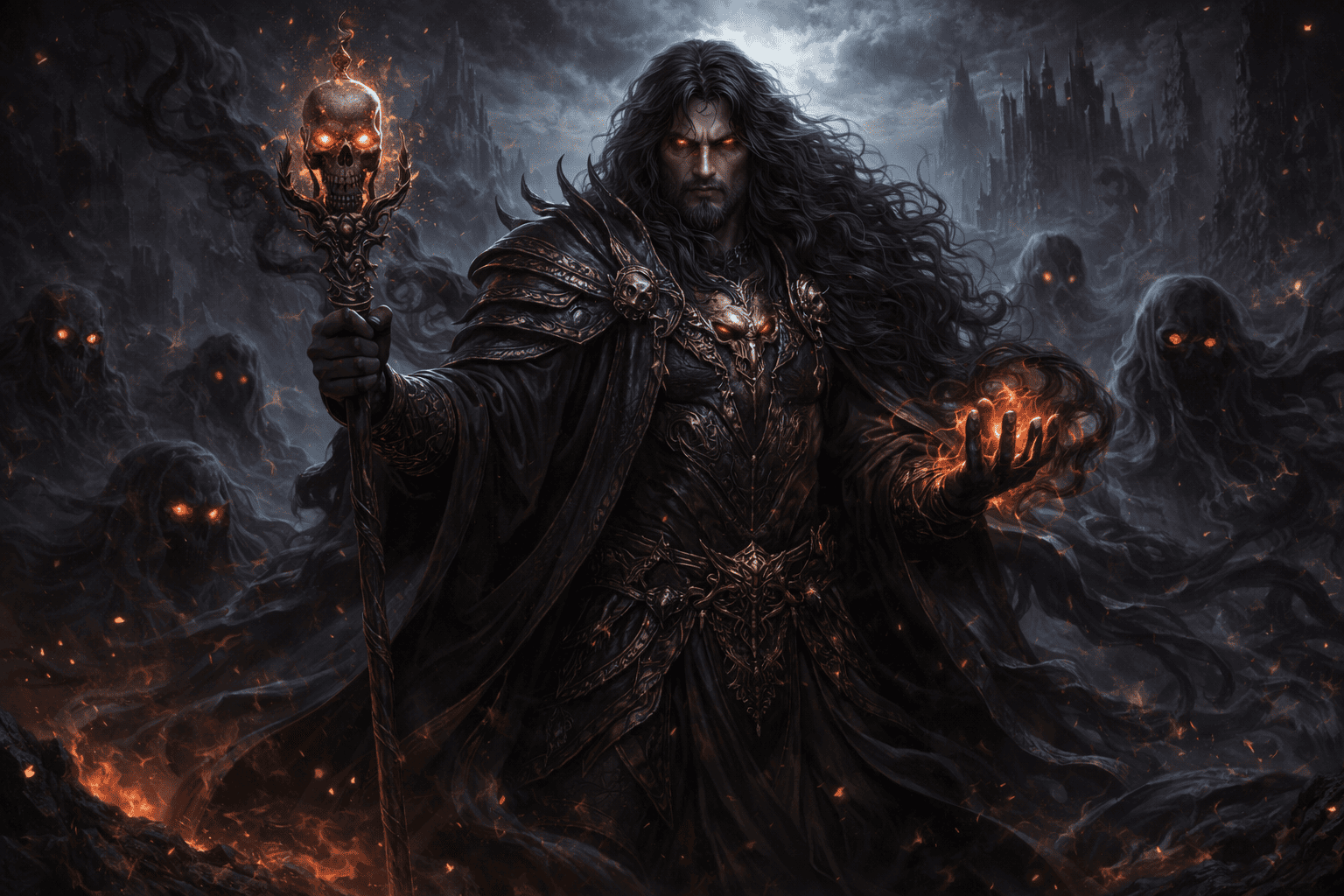
This is where it can feel natural to glance toward shadowy figures like erebus god, associated with deep darkness and primordial gloom. Mentioning him alongside fire stories highlights a crucial mythic idea: fire defines the dark by pushing it back. The brighter the flame, the more dramatic the surrounding night appears. Fire is not only warmth—it’s a statement that chaos can be held at bay, at least for a while.
Fire Gods in Everyday Life: Hearth, Festival, and Transformation
The most enduring fire myths aren’t only about punishment or cosmic theft. They’re also about ordinary life. The hearth is a sacred center in many cultures, a place where families gather, stories are told, and the day’s work becomes a shared meal. Fire represents continuity: the idea that a community survives because it can keep a flame alive through storm and winter. Festivals and rituals often echo this, using torches, candles, and bonfires as symbols of renewal, protection, and collective hope.
And fire is never only external. Myth speaks to internal flame as well: passion, creativity, bravery, and the spark of desire to build something new. That’s why tales about fire gods remain emotionally recognizable. They turn a physical element into a portrait of the human condition—ambitious, fragile, brilliant, and capable of both kindness and destruction.
Conclusion
Fire gods and fire-bringers give ancient language to a timeless truth: power changes whoever holds it. Whether the story celebrates rebellion or warns against it, flame in myth is always more than flame. It is the turning key of civilization and the testing ground of character. From the daring gift of Prometheus to the contrast between light and the depths of darkness, these tales keep returning to the same question: what will we do with the fire we’re given? In answering that, mythology doesn’t just explain the past—it challenges the present.